How communication and lifelong learning unlock career advancement

You — yes, you — are already a leader.
“Whether you become the leader of a company, a family, a church or in some other area outside of business, most people will end up leading in some way,” says Mark Mendenhall, who holds the J. Burton Frierson chair of excellence in business leadership at the University of Tennessee at Chattanooga. “Everybody will, in some aspect of life. There’s not a lot of choice in it.”
Mendenhall, an internationally recognized scholar in global leadership development, says one of the biggest misconceptions is that leadership is reserved for a few “special” people at the top.
“Managers are leaders. Parents are leaders. Most people in the workplace eventually have some kind of supervisory responsibility,” he says. “The truth is, everybody is going to be a leader in some way.”
Even college students who don’t see themselves as leaders already are — whether they’re convincing roommates where to eat dinner or influencing peers in a group project.
“Leadership is influence,” he says.

Mendenhall outlines four steps for building leadership skills over time. First is the awareness that you’re already leading in some capacity. Second is assessment — understanding where your leadership strengths and weaknesses lie. The third is development, which means focusing on your strengths and learning how to use them more effectively, while also improving on weaker skills.
Finally, leaders need to “know their stuff.” Technical knowledge, Mendenhall says, is necessary but not enough for leadership.
“You can know everything about your profession and still be a lousy leader. … The mistake a lot of students make is focusing only on the technical side, without applying leadership concepts to themselves.”
Currency of trust
Leadership is a responsibility one earns, not something that comes with a diploma or job title, says Mario Duarte, learning, training and development leader at Volkswagen Group of America.
“You build it through consistent actions, trust and the ability to positively influence others over time,” he says. “While education is a powerful foundation, it doesn’t automatically grant you the right to lead.”
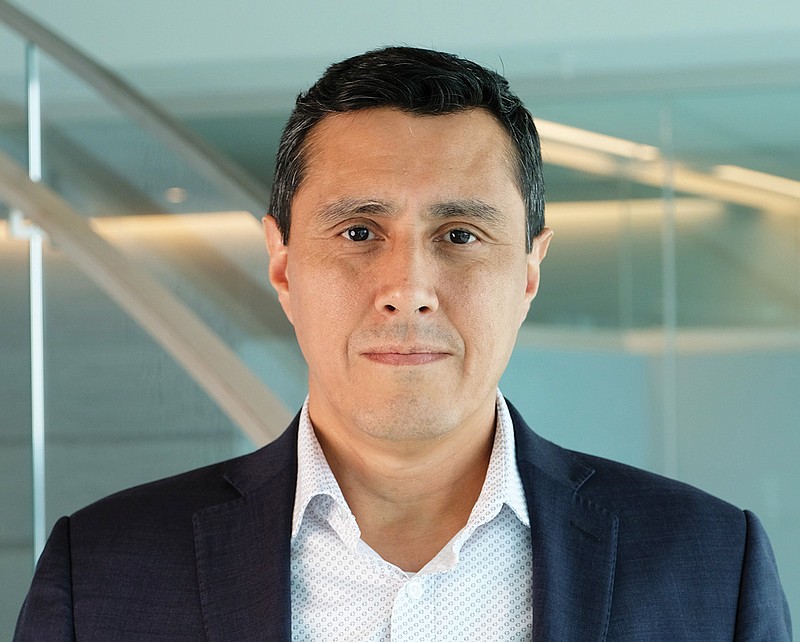
Duarte encourages young professionals to focus on mindset and emotional intelligence. Leaders, he says, need to learn to be honest about their strengths and weaknesses while creating “an environment where the right emotions are generated so that people can achieve challenging goals.”
For those just starting out, he recommends committing to constant learning.
“Every situation you encounter can be a classroom if you’re willing to pay attention,” Duarte says. Leadership is influence — not position. Developing skills like communication, adaptability, strategic thinking and seeking feedback are all essential.
“There’s no single path to leadership,” he says. “Every company is going to have a different culture. The faster you learn the culture and understand what it takes to be a leader in that organization, the faster you can get on that path.”
Look inward to move upward
Mallory Smith, vice president of administrative and customer support for Robert Half corporate recruiting in Chattanooga adds that career growth begins with self-reflection.
A good first step is for employees to take the time to understand their personal motivations — whether it’s collaboration, innovation or autonomy.
“It’s also important to have career conversations early and often with your manager about your goals — whether that’s leadership, technical mastery or something else,” she says. “Clarity can really help shape development plans.”

Networking is another another critical tool. Industry events, professional associations and online communities can open doors to mentorship, job leads and new opportunities. And within a company, cross-functional training and job rotations can be valuable ways to explore opportunities.
She also encourages professionals to keep their skills current. “Identify the most in-demand skills in your field — whether it’s data analysis, project management or something else — and invest time in learning,” she says. “AI literacy is becoming essential across industries.
“Career growth isn’t just about climbing the ladder — it’s about staying relevant. Embrace continuous learning, be open to lateral moves, and look for ways to expand your skill set.”
And, she adds, the way employees present themselves matters. Professional appearance, sense of confidence, a positive attitude and interpersonal skills all build trust and demonstrate leadership potential.
“When hiring managers are looking to promote internally or bring someone into a leadership role,” she says, “those factors make a difference.”
Perception is powerful
“Part of success comes from the perception that others have of you,” says Michelle Sermon-Davis, chief learning officer at BlueCross BlueShield of Tennessee. “If people believe you possess leadership qualities, you’re more likely to be given the opportunity to lead.”
She recommends starting with self-reflection: understanding your core values and strengths, recognizing how others currently perceive you, and forming a clear picture of how you want to be seen. When those align, employees can shape how they are seen across the workplace.
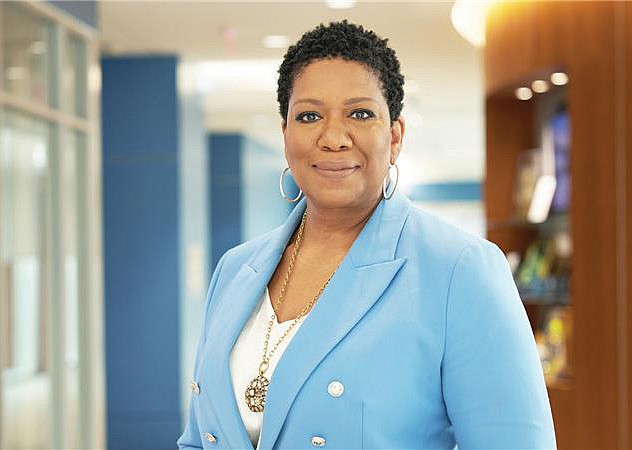
“Delivering on expectations consistently builds trust and credibility,” she says. “Cultivating strong relationships with people at all levels is always worthwhile. These relationships are the foundation of influence and collaboration.”
Sermon-Davis also suggests observing and emulating the behaviors of leaders you admire — how they communicate, treat others and respond to challenges.
“This isn’t imitation,” she says, “It’s inspiration. By integrating these traits into your own leadership style, you elevate both your presence and your impact.”
And lastly, she emphasizes aligning your behavior with the desired culture of the company. When actions mirror culture employees become a natural fit for leadership roles.
“When your presence matches your purpose, you send a powerful message — without saying a word.”
* Bruce’s journey to become first female chancellor of UTC
* Leadership secrets from Chattanooga’s most successful executives
* AI and leadership decisions: The hidden risks and surprising benefits
link