Ohio State launches Engaged Scholars Academy
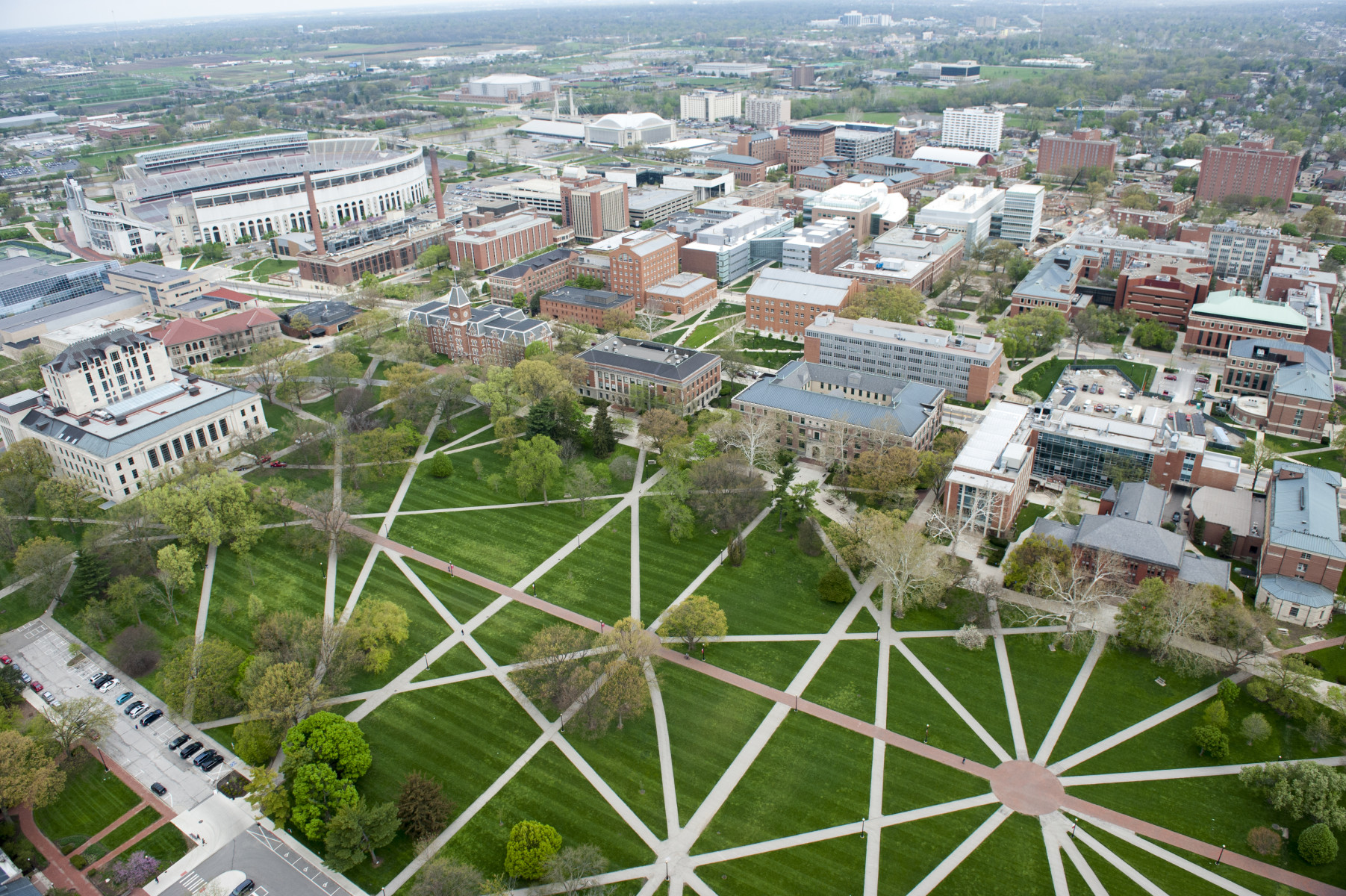
In August, the inaugural class of The Ohio State University’s Engaged Scholars Academy will begin with 16 tenure-track faculty members from eight different colleges.
The participants will meet as a cohort eight times over the course of the 2025-2026 academic year. Programming will focus on several topics, including professional development, research best practices and a better understanding of the issues facing communities throughout Ohio.
“This is a great opportunity to embed some of our faculty in this community,” said Jason Reece, vice provost for urban research and community engagement. “We will help them build relationships with community partners so they can understand the perspectives of our nonprofit organizations.”
Program sessions will vary, with some taking place on campus and some in the city. Reece plans to host community leaders and arrange visits to area nonprofits. Other sessions will ask cohort members to look inward.
“What’s their identity as an engaged scholar?” he said. “We want them to articulate, together, the themes that are important to them as they develop their scholarship.”
Matthew Wu, assistant professor of chemistry in the College of Arts and Sciences, is eager to get started. Wu studies chemical education research, specifically in laboratory settings.
“I have been trying to incorporate more scientific, civic engagement in my research program,” he said. “The goal is to redefine what STEM means and broaden its relevance, application and interconnections with civic responsibility with students of all majors.”
It was important, Reece said, for the program to use a cohort-style implementation.
“The cohort model is really helpful, not only in building relationships between scholars but sharing insights with each other,” he said. “Peer-to-peer relationships, and the building and learning that comes with them, is what people get most excited about.”
Wu found the cohort model appealing.
“The reason that I am specifically in an educational research field is that I like learning,” he said. “I’m excited to meet new people, to talk shop and to be part of a collectively transformative experience. I want to learn new ways to collaborate with people to better the lived experiences of everyone around us.”
Given the size of the university, it is easy to focus solely on one’s own department, Wu said. The community-focused nature of the program was one of the reasons he applied.
“Ohio State is a really big place,” he said. “Identifying ways to plug in, interact with people who share similar sentiments and identify feasible ways of enacting high-impact, public-facing activities is one way to ensure that my efforts can be transformed into something meaningful.”
Reece is excited to see Ohio State scholars put their weight behind solutions for community issues.
“This really is a fulfillment of the land-grant mission,” he said. “We want to lift up these programs that we know have an impact, whether that’s offering dental care to an underserved area, helping with community planning and affordable housing, getting youth engaged in STEM – there are so many things that our faculty are engaged with here.”
Wu is from California. All too often, he said, academics parachute into a community they don’t understand and treat its inhabitants like research subjects.
“We need to know the community before we can even begin conceptualizing what service should be,” he said. “We are here to empower those around us. We need to see beyond our offices, our departments and our colleges. Especially as an education researcher, I need to stay tethered to the people I intend to serve.”
link