


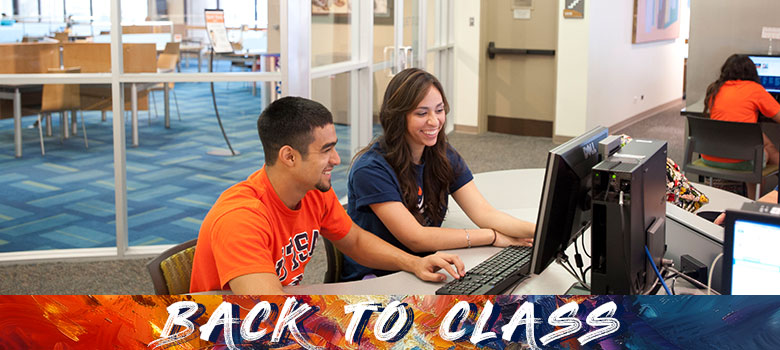
Overall, UTSA is crafting a more consistent experience across the entire student employment cycle, from posting a job opening and selecting interviewees to hiring, training, evaluating job performance and discussing career goals.
At the core of these efforts is the ’Runner Career Launch website, a comprehensive resource hub that supports UTSA supervisors with standardized tools, training and information so they can better meet the needs of their working learners.
“Students are an integral part of the UTSA workforce. The changes we’re implementing and our work to provide awareness of transferable skills will enrich the employment experience for both students and their supervisors,” said Ginnifer Cié Gee, UTSA associate vice provost for Career-Engaged Learning. “Students will benefit by connecting what they’re learning on the job to their future careers, and supervisors will benefit from increased support to help them grow as leaders.”
Career-Engaged Learning also expanded its team to include a full-time student employment specialist dedicated to supporting student supervisors and working learners. UTSA alumna Nashaly Nunez-Rivera ’23 has helped spearhead the student employment initiatives since filling the new role in 2024.
“Professionalizing roles on campus for students who are in similar shoes that I was as a working learner has been a full-circle moment for me,” said Nunez-Rivera, a former working learner with the UTSA Center for Military Affiliated Students. “This position has allowed me to work with supervisors across campus and ensure that everything we do is providing the best possible work experience for our students and making them feel valued in their roles.”
The upgrades to the student employment process were the culmination of nearly three years of collaborative efforts from the UTSA Working Learner Enhancement Team. The team involved leadership from across the university, including UTSA Academic Affairs, Academic Innovation, Career-Engaged Learning, People Excellence, Student Affairs and Strategic Enrollment. Through working groups, listening sessions and interviews with student workers and their supervisors, the team identified pain points, barriers and areas for improvement.
The team also participated in the Work+ Collective at Arizona State University in 2024, where they connected with higher education leaders around the country to exchange ideas, share best practices and design solutions for reworking their on-campus employment programs.
Looking ahead, the team plans to introduce customized tools, resources and community support for students in Canvas starting in fall 2025. They will also host an inaugural Student Employment Appreciation Week in April to celebrate and foster a sense of community among working learners, and a Supervisor Summit in the fall to promote professional development and create a space for supervisors to connect.
link